SPE WA Facility & Digital Group Event
Brownfield modifications to convert existing gas production facilities for CCS operations
Date: Wednesday, 7th of August
Time: 5:00 pm – 7:30 pm (Australia/Perth time)
Location: Riff Spacecubed 45 St Georges Terrace, Perth WA 6000
The recent event hosted by the SPE WA Facility and Digital Group was a resounding success, drawing over 40 industry experts from leading companies and universities such as Wood, Genesis, Kent, CNOOC, UWA, and Curtin University etc. The gathering provided a platform for insightful discussions on Carbon Capture, Utilization, and Storage (CCUS), along with valuable networking opportunities.
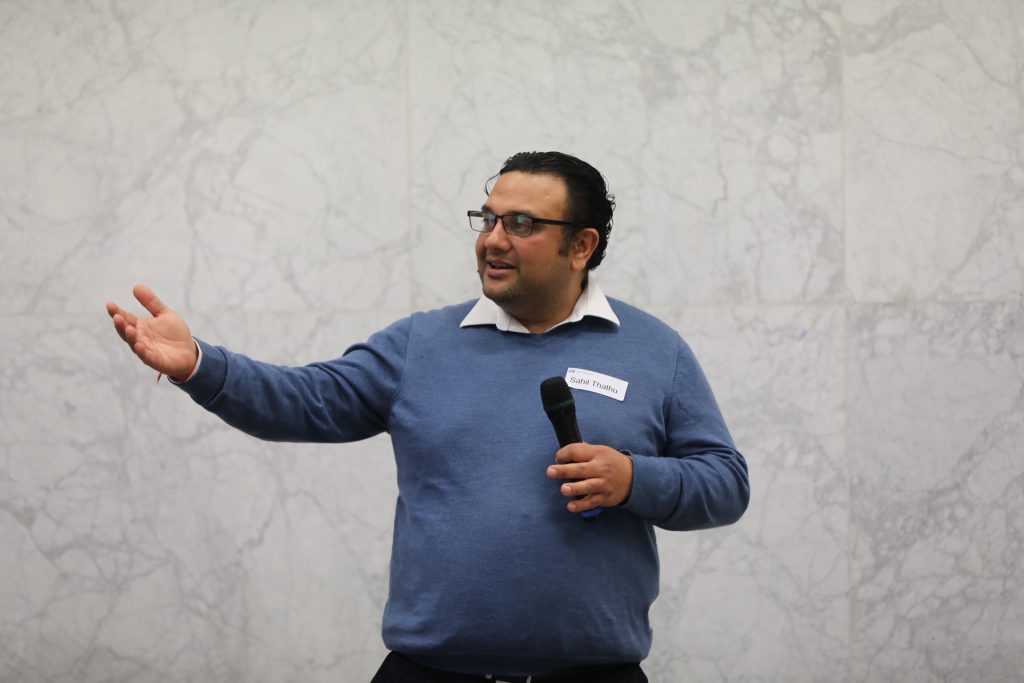
We were honoured to welcome a distinguished guest, Madam Rosie Johnstone, President of CCUSNA, who graced the event with her presence. The meeting was co-hosted by Facility and Digital Group Co-chairs Xipo Zhang from SLB and Sahil Thathu from Royal Oil and Gas.

About the Speaker:
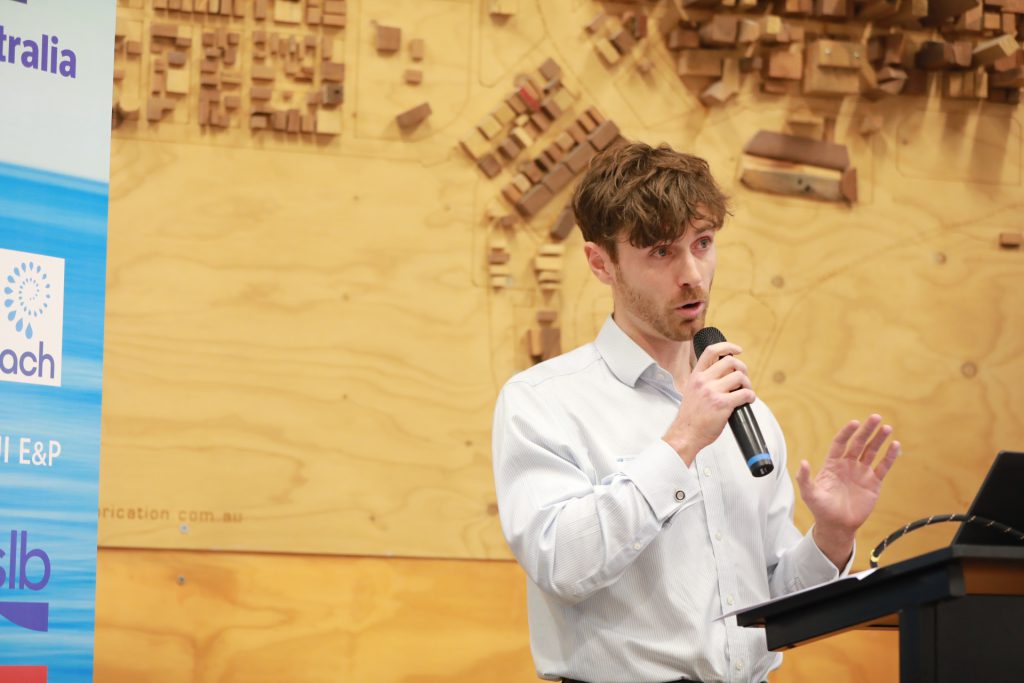
Christopher Jones has 13 years of experience in process engineering and currently is a Principal Process Engineer at Kent PLC.
He underwent an accelerated Honours (First Class) program at the Curtin university in chemical engineering and completed an internship in Germany.
Chris has been exposed to a wide breadth of industry projects allowing him to apply unique design approaches when tackling challenges in traditional oil and gas and emerging new energy industries.
Technical Presentation:
Chris Jones led an engaging session on the potential of repurposing existing gas production facilities for Carbon Capture and Storage (CCS) operations with the topic- Brownfield Modifications to Convert Existing Gas Production Facilities for CCS Operations. He emphasized the increasing importance of carbon sequestration as a key strategy for managing CO2 emissions in the energy sector. By converting ageing hydrocarbon facilities for CO2 injection, companies can reduce the costs associated with decommissioning while advancing environmental sustainability.
Key topics covered during the presentation included challenges related to water management in CO2 systems, ensuring supercritical phase conditions, and necessary plant modifications for CCS operations. Jones highlighted technical considerations such as CO2 dehydration, pipeline hydraulic modelling, and the need to prevent corrosion in carbon steel piping by maintaining a dry system. He concluded by urging the industry to view the conversion of hydrocarbon facilities into CCS operations as a strategic opportunity with both economic and environmental benefits.
Engagement and Feedback:
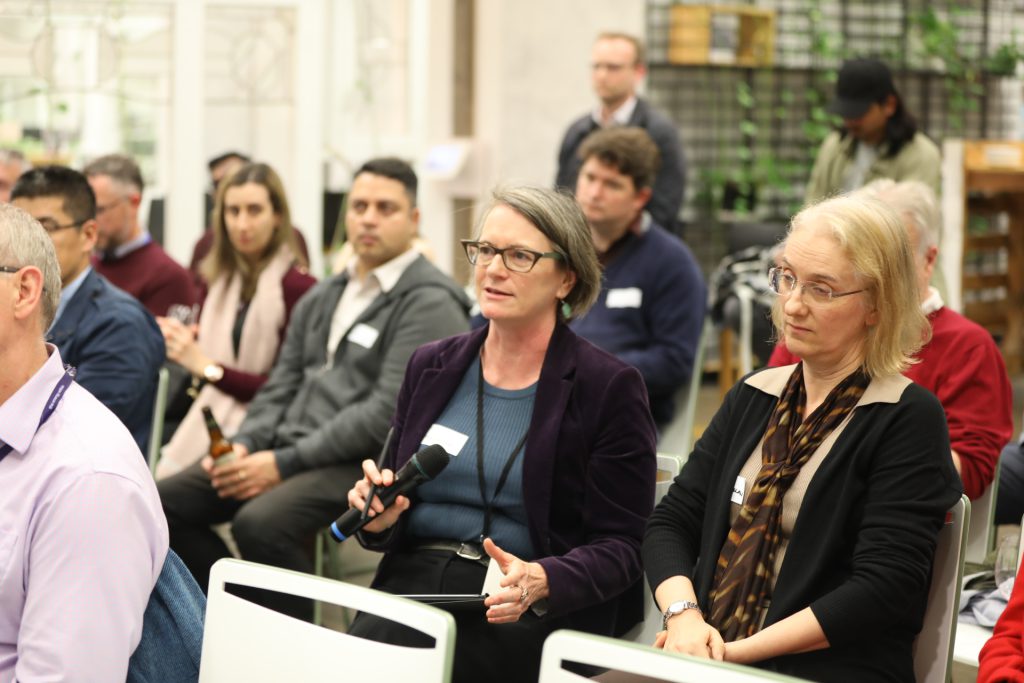
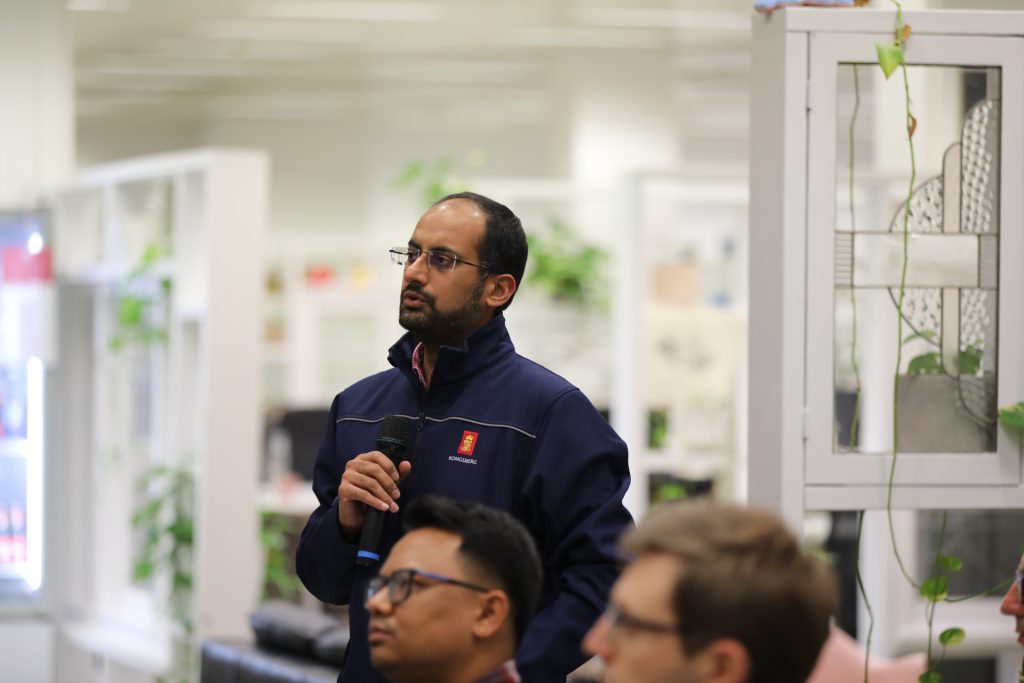
The presentation was followed by an interactive Q&A session, where participants, including local experts and visitors from the UK, posed six insightful questions.
The event was widely appreciated by all attendees, who valued the opportunity for knowledge exchange and networking. The discussions stimulated new ideas and contributed to the advancement of the oil and gas facility industry in Western Australia. We look forward to hosting more such events in the future.